The Coating System
Plural-component, 100% solids polyurea applied as a single-coat membrane — and the primers and prep that make it hold.
Request the Full Spec SheetHow It Works
OR93BL is a plural-component, 100%-solids aromatic polyurea applied as a single-coat membrane system. The two components meet at the spray gun at roughly 2,000 PSI and 160°F, mix by impingement, and begin reacting on the substrate within seconds.
That speed is the whole point. A conventional coating stays wet long enough for moisture, dust, and temperature swings to affect the film. Polyurea gels before any of that can happen — which is why it can be sprayed in cold, in humidity, and on vertical surfaces without sagging or running.
The result is a monolithic elastomeric film with no seams, no inter-coat adhesion risk, and no solvent entrapment. Because it is 100% solids, there is no shrinkage on cure: the wet mil thickness you spray is the dry film thickness you keep.
Typical Physical Properties — OR93BL
| Property | Value |
|---|---|
| Solids by volume | 100% |
| Tensile strength | 2,500 – 3,000 PSI |
| Elongation | 300 – 400% |
| Tear strength | 400 – 500 pli |
| Shore D hardness | 45 – 50 |
| Gel time | 3 – 6 seconds |
| Tack-free time | 10 – 30 seconds |
| Recoat window | Up to 6 hours without re-prep |
| Return to service | Same day, typically under 1 hour |
| Adhesion to blasted steel | > 500 PSI pull-off |
| Service temperature | -40°F to 250°F |
| Coverage at 100% solids | 1,604 mil-sq-ft per gallon |
| Typical exterior DFT | 60 mil |
| Typical maintenance DFT | 20 – 30 mil |
| Equipment required | Plural-component proportioner, heated hose |
Surface Preparation
New or heavily corroded steel: SSPC-SP6 commercial blast with a 2–4 mil angular profile. This is the specification that earns the full warranty and the adhesion numbers above.
Maintenance overcoating: Where sound, tightly-adhered rust is present and blasting is impractical, SSPC-SP3 power-tool cleaning is acceptable with a reduced-warranty note. The membrane bridges the tight oxide and isolates it from further moisture and oxygen — it stops the reaction rather than removing the evidence of it.
Salt exposure: Chloride verification below 7 µg/cm² is required for coastal, de-icing, and wash-down service. Soluble salt left under any coating will osmotically blister it. Test, and if it fails, pressure-wash and retest.
Concrete and wood: Both accept the system with 7001 primer. Concrete should be profiled to CSP 3–5 and tested for moisture vapor emission. Wood should be dry, sound, and free of loose fiber.
Choosing Between OR93BL, FJ1, and Flak Jacket Pro
OR93BL is the default. If the job is corrosion protection and the surface is not being walked on, driven on, or loaded, this is the product — best cost per square foot in the line.
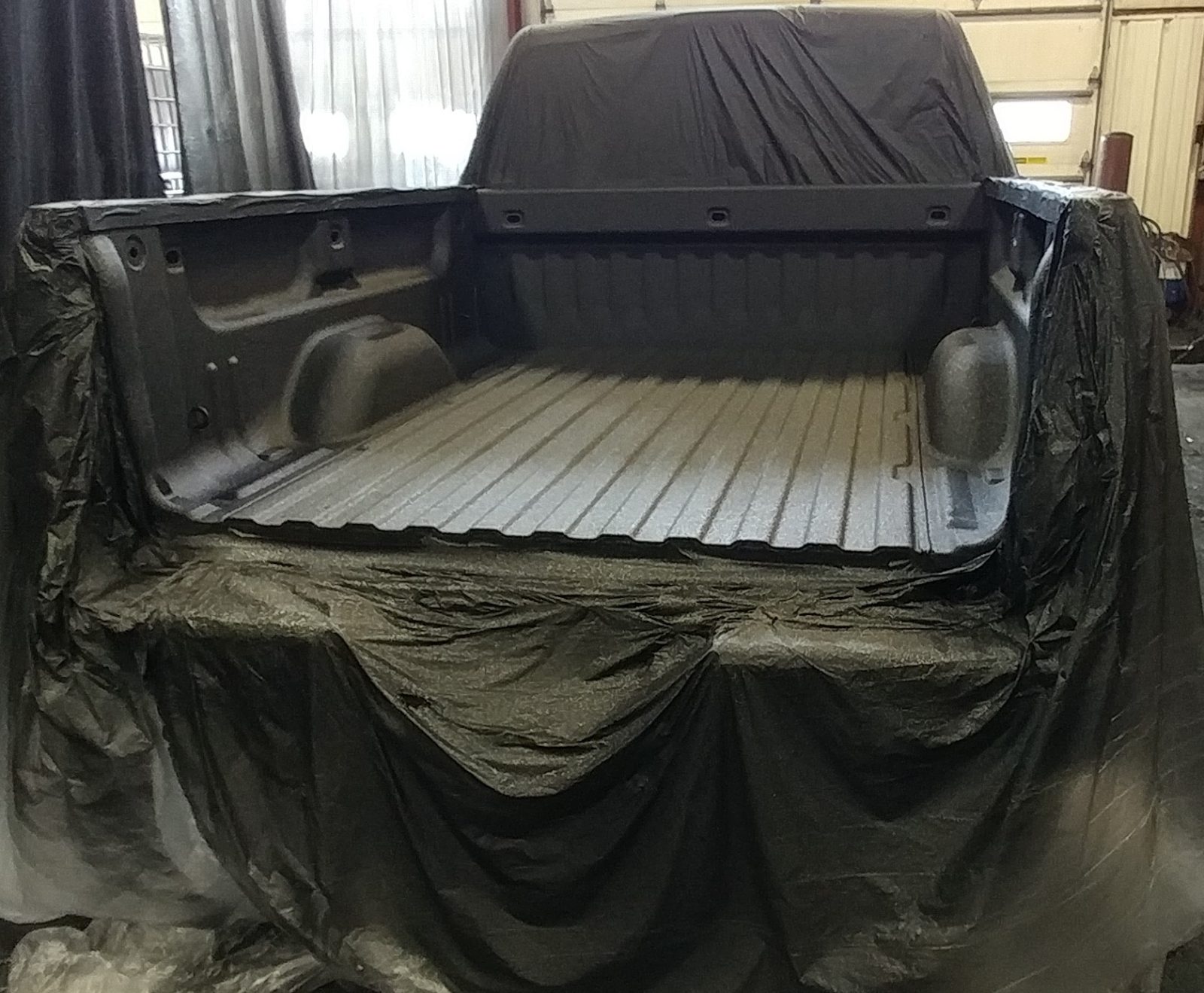
Flak Jacket 1 (FJ1) steps up when the coating will take impact as well as exposure. Truck beds, equipment decks, trailer floors, metal roofs in hail country. Higher build, higher tear strength.
Flak Jacket Pro is for when the coating is the wear surface. Loader buckets, chutes, hoppers, dump bodies hauling aggregate. Highest abrasion and tensile grade we make.
Not sure which? Send us the application and we will spec it. We would rather put you in the right product than the expensive one.
Need the Full Technical Data Sheet?
We will send the complete TDS, SDS, and application guide for whichever product fits your job.
Request DocumentationGet Pricing & Spec Sheets
Tell us about your project and we will follow up with product details, technical data sheets, and pricing.