Rust Proof Coating That Actually Stops Corrosion
OR93BL and Flak Jacket polyurea coatings bond directly to steel, wood, and concrete — building a seamless, waterproof membrane that road salt, moisture, and chemicals cannot get behind. Sprayed on in one pass. No seams. No re-coating every season.
Get Pricing & Spec SheetsWhy Polyurea Beats Paint for Rust Prevention
100% Solids — Nothing Evaporates
Conventional rust paint is up to half solvent. What you spray is not what stays. OR93BL is 100% solids polyurea: every mil applied is a mil of finished membrane, with no shrinkage, no solvent entrapment, and no pinholes for moisture to find.
Seamless Membrane, Not a Film
Rust does not start in the middle of a panel — it starts at a seam, a weld, a fastener, or a chip. Plural-component polyurea reacts on the substrate in seconds and bridges those details as one continuous elastomeric membrane with no lap joints to fail.
Bonds to Steel, Wood, and Concrete
The same product handles a steel bar joist, a wood trailer deck, and a concrete curb on the same job. With 7001 primer where the substrate calls for it, adhesion runs above 500 PSI on properly prepped steel.
Back in Service the Same Day
Tack-free in seconds and handling-strength in minutes. Fleet vehicles, trailers, and equipment are back on the road the same shift instead of tying up a bay for days waiting on cure.
Where Rust Costs You Money
Anywhere bare or failing metal meets road salt, moisture, chemicals, or abrasion — these are the jobs our applicators run every week.
- Truck beds & undercarriage
- Trailers & flatbeds
- Metal roofs & bar joists
- Metal garages & pole barns
- Structural & fabricated steel
- Farm & ag equipment
- Conveyors & material handling
- Marine hardware & docks
- Wood decks & trailer floors
- Tanks & secondary containment
The OR93BL / Flak Jacket System
Three products, one system. Pick by service environment and abrasion load — our team will spec it with you.
What Rust Actually Costs
Every maintenance manager knows the curve. Year one, a conveyor frame blooms at the welds. Year three, your crew is wire-wheeling and touching up on a rotation that never quite catches up. Year seven, an inspector is measuring section loss and the conversation moves from a paint budget to a capital replacement.
The problem is not that the paint was bad. The problem is that a 3-mil solvent-borne film was asked to do a membrane's job. It shrinks as it cures, it thins at the edges and welds where corrosion starts, and it fails at exactly the details you needed it to protect.
Polyurea works differently. Two components mix at the gun and react on the substrate within seconds, building a monolithic elastomeric film 20 to 120 mils thick in a single pass. No seams. No inter-coat adhesion risk. No solvent entrapment. On blasted steel it develops pull-off adhesion above 500 PSI; on power-tool-cleaned maintenance surfaces it bridges tightly-adhered oxide and isolates it from further moisture and oxygen.
By the Numbers
Recent Work
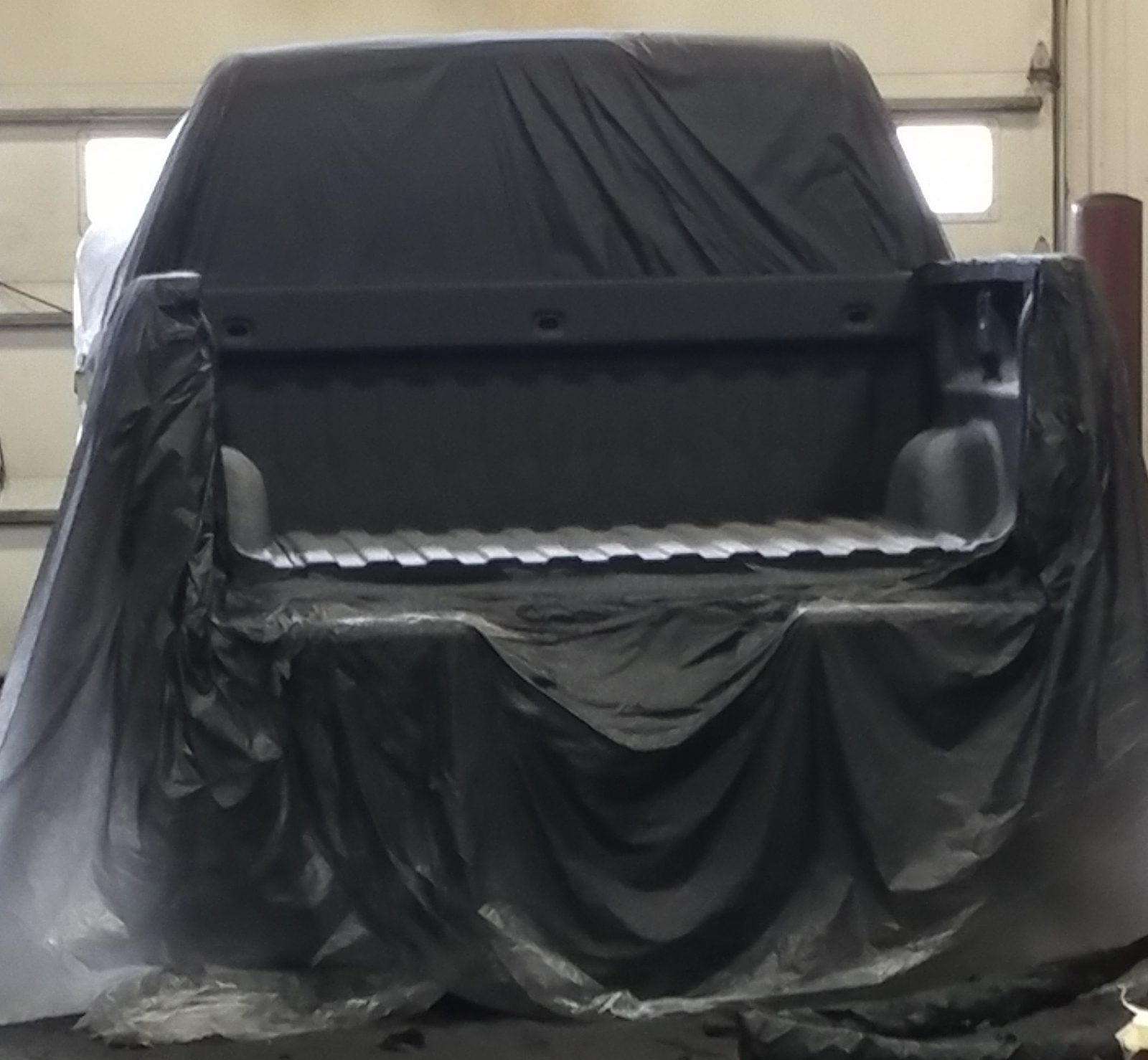
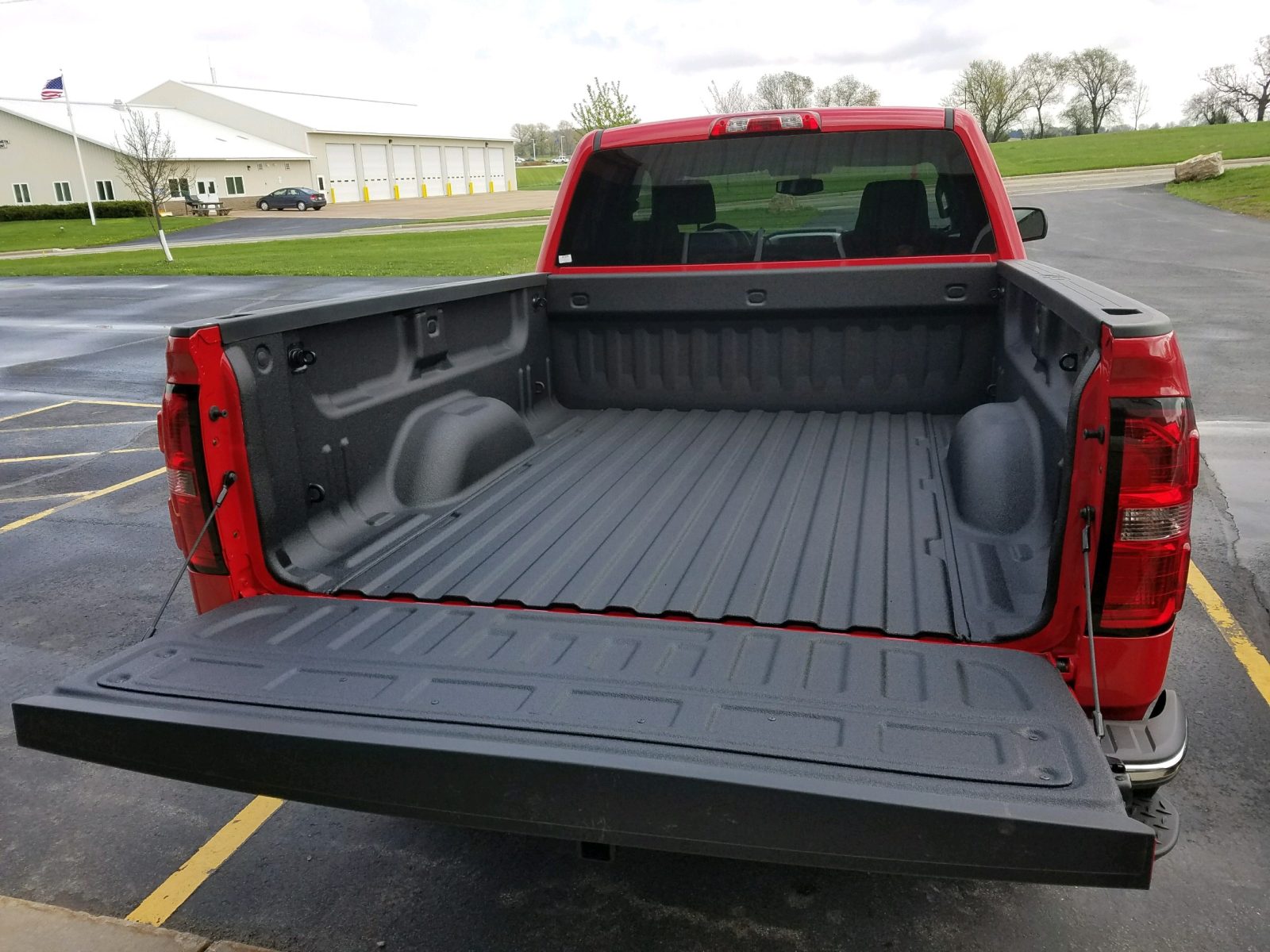
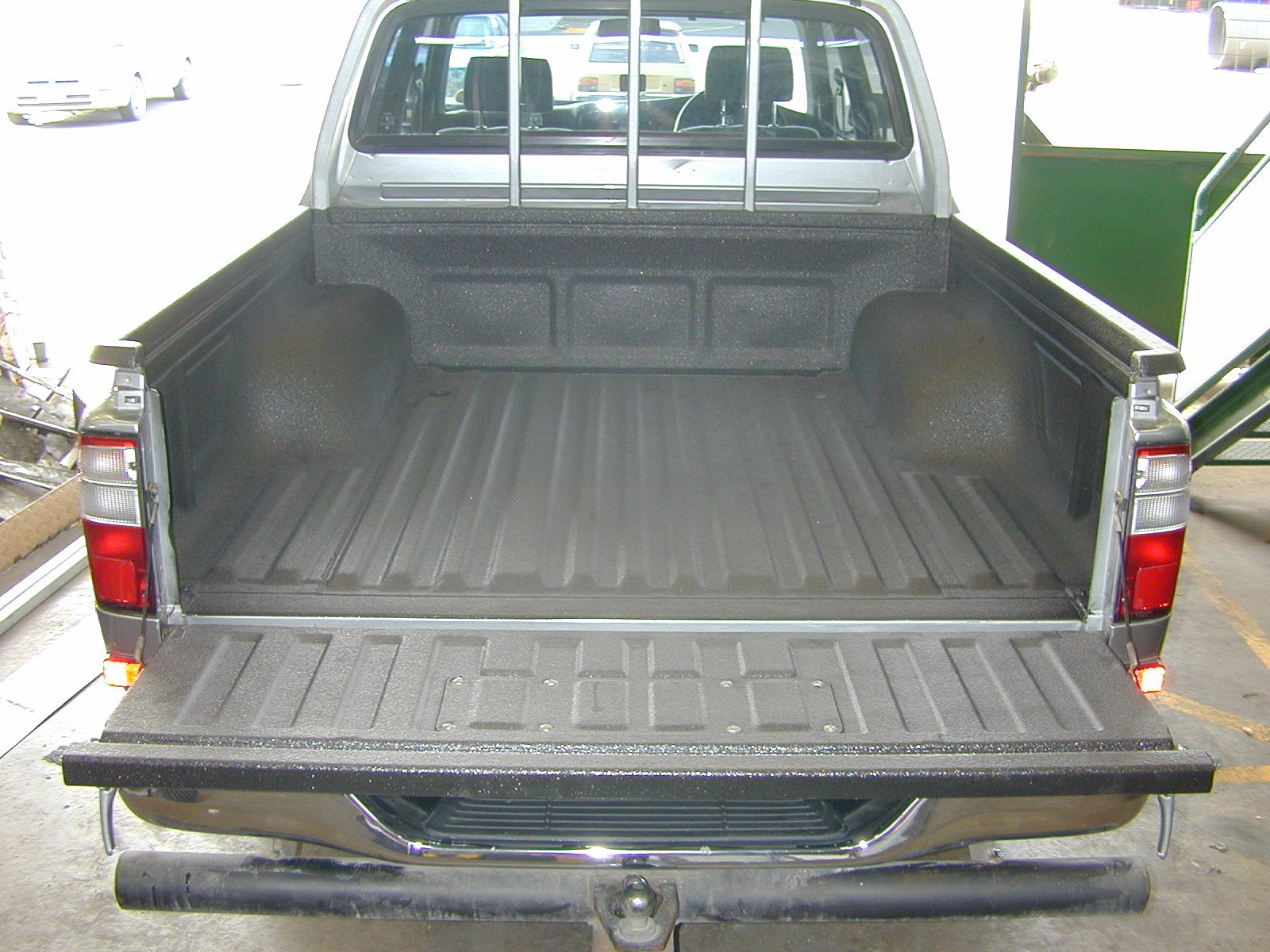
Tell Us What the Steel Is and Where It Lives
Send us the substrate, the exposure, and the square footage. You will get a spec, a DFT recommendation, and budget pricing back from someone who sprays this material — not a call center. Contractors and distributors: mention your region and we will include the wholesale schedule.
Request Pricing & Spec SheetsGet Pricing & Spec Sheets
Tell us about your project and we will follow up with product details, technical data sheets, and pricing.
Frequently Asked Questions
Frequently Asked Questions
The questions we get most from contractors, fleet managers, and facility engineers.
Specification & Prep
What surface preparation does the spec require?
SSPC-SP6 commercial blast with a 2–4 mil profile for new or heavily corroded steel. For maintenance overcoating of sound, tightly-adhered rust, SSPC-SP3 power-tool cleaning is acceptable with a reduced-warranty note. Chloride verification below 7 µg/cm² is required in salt-exposure service.
Can it go over existing rust?
Over tightly-adhered rust, yes — the membrane isolates it from moisture and oxygen and stops the reaction. Over loose scale, flaking, or delaminating product, no. Anything you can knock off with a scraper has to come off first, or the coating will simply take it with it when it fails.
Does it need a primer?
On properly blasted steel, usually not. On concrete, wood, TPO, EPDM, galvanized, or previously coated surfaces, 7001 primer is recommended — it is quick-setting, works across all those substrates, and stops bleed-through from the original finish.
What is the coverage rate?
At 100% solids, one gallon yields 1,604 mil-sq-ft — about 27 sq ft at the 60-mil exterior spec, or roughly 80 sq ft at a 20-mil maintenance spec. Add 10–15% for overspray and surface profile on blasted steel.
Application & Cure
What equipment do I need to spray it?
A plural-component proportioner with heated hose — a Graco Reactor E-20 or E-30 class machine or equivalent. This is not a product you can roll or spray with an airless. If you do not have a rig, we can refer you to an applicator in your area, or talk to you about adding the capability.
How long until it can be put back in service?
Tack-free in 10–30 seconds, handling strength in minutes, and full service typically within the hour. For most fleet and equipment work this means the unit goes back out the same shift.
Can it be sprayed in cold or humid conditions?
Yes — that is one of the practical advantages of fast-set polyurea. Because it gels in seconds, ambient humidity and temperature have far less opportunity to affect the film than with a conventional coating that stays wet for hours. Substrate temperature and dew point still matter; we will go over the window for your conditions.
Can it be recoated or repaired later?
Within about six hours, a new pass bonds chemically with no additional prep. After that, abrade the area and apply 7001 primer before recoating. Field repairs of damaged spots are straightforward — one of the reasons it works well on equipment that takes occasional hits.
Comparison & Cost
How is this different from rubberized undercoating?
Rubberized undercoating is a soft, asphaltic or wax-based product that stays somewhat flexible and is meant to be reapplied periodically. It also traps moisture against the substrate when it cracks, which can accelerate corrosion rather than stop it. Polyurea is a permanently bonded structural membrane with 2,500+ PSI tensile strength. Different product category entirely.
How does the cost compare to painting?
Higher up front per square foot, lower over the asset life. A three-coat industrial paint system on structural steel typically needs maintenance at 5–7 years and full recoat at 10–12. Polyurea at proper DFT routinely goes well past that without intervention. The comparison that matters is cost per year of service, not cost per gallon.
Is it UV stable?
Aromatic polyurea like OR93BL will chalk and fade in direct sunlight over time. This is cosmetic — it does not affect the corrosion protection or physical properties. For applications where appearance matters long-term, we offer an aliphatic topcoat. Ask us and we will spec it.
Do you sell to individuals, or only to contractors?
Both. We ship nationwide to end users, contractors, and dealers. Contractors and distributors get wholesale pricing — mention your region and volume when you contact us and we will include the schedule.
Question Not Answered Here?
Ask us directly. Somebody who actually sprays this material will answer.
Ask a Question